

Gorgy Time master clock systems
A manufacturer of master clocks, time servers and dials — the system that ties a whole site to one time reference.
102 products · 3 categories
Gorgy Time is a French manufacturer of master clock systems: RADIO TIMING master clocks and time servers that take their time from a GNSS/GPS or NTP reference, the interfaces that distribute it across the site, and the LEDI digital displays and HANDI analogue dials at the end of that distribution.
What its buyers have in common is that time is operating data rather than comfort: airports and terminals, hospitals and operating theatres, schools, plants, control rooms. Dials that disagree mean the shift record and the event log disagree.
The logic of the system is one-way: time comes from a single place and no dial keeps its own. That is what the installation is — not hanging dials, but building the distribution architecture.
| Role | Authorised Dealer |
|---|---|
| Scope | Engineering · installation · commissioning · synchronisation verification |
| Manufacturer | Gorgy Time — France |
| Synchronisation | GNSS / GPS · NTP · AFNOR · DCF · PoE |
| Products | 102 products · 3 categories |
Product information and images are compiled from the manufacturer's own publications; they do not depict a Sedan Mühendislik installation. Technical data is confirmed before ordering.
From master clock to dial
The time server produces the reference and the dials show it. Click a category to see the models.
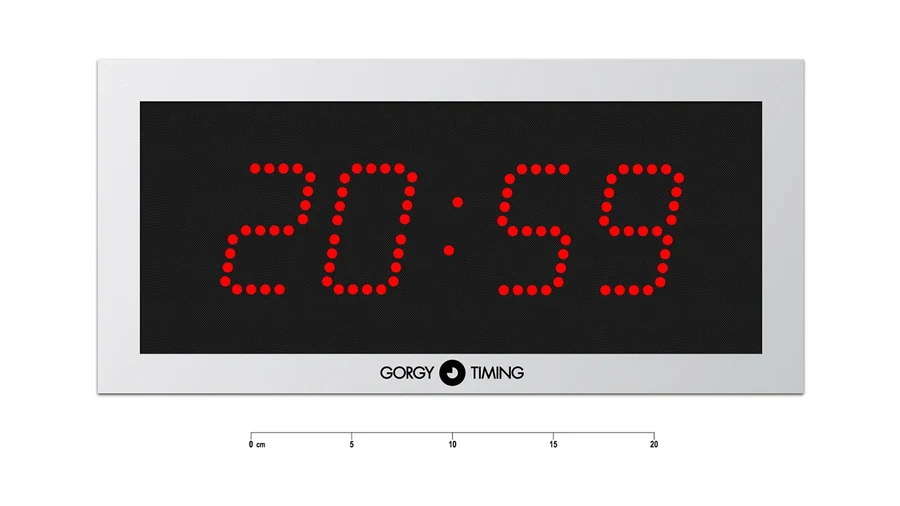 Digital clocksThe LEDI range of LED displays — indoor and outdoor, single- and double-sided, with digit heights from 1 cm to 20 cm; synchronised over NTP, AFNOR and PoE.66 products
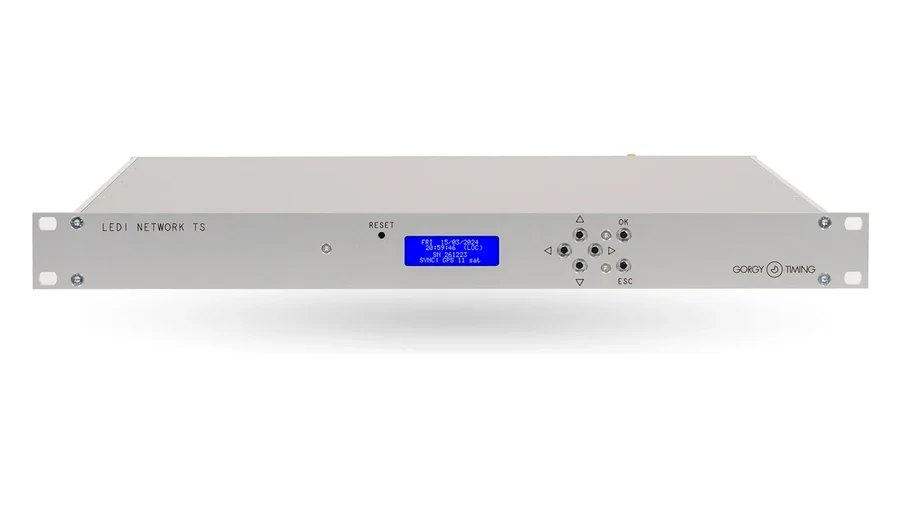 Time serversRADIO TIMING master clocks and NTP servers, GNSS/GPS antennas and transcoding interfaces — one time reference distributed across the whole site.22 products
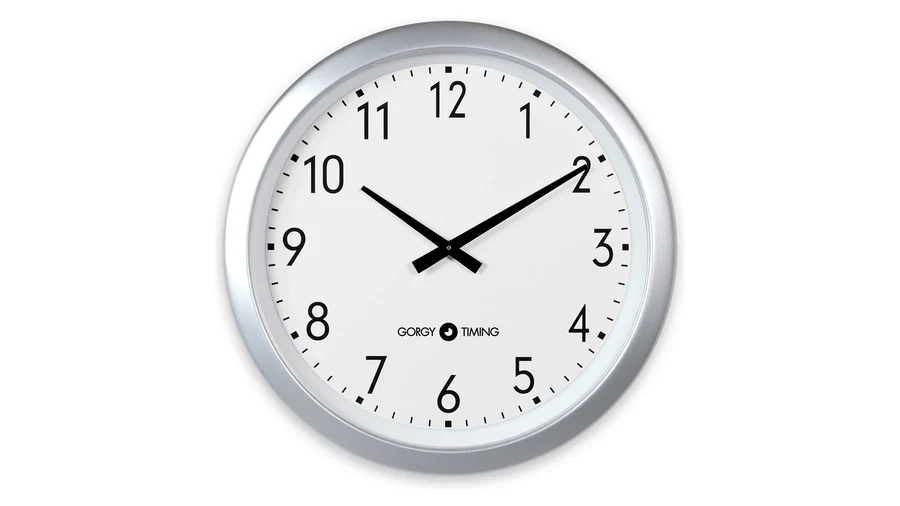 Analogue clocksThe HANDI range of analogue dials — 300 mm to 800 mm, single- and double-sided, indoor and outdoor; driven from the master clock.14 products
The two questions master clocks raise most
Can we keep our existing dials and replace only the master clock?
In most cases yes — what decides it is the protocol the existing dials are driven on. On a site running AFNOR, DCF or minute pulses, renewing the master clock side is markedly cheaper than replacing every dial.
Send the make of the existing master clock and the number of dials; we will work out line by line which dials can be kept.
How do you verify that the clocks really are synchronised?
Commissioning ends with an acceptance test: the reference source locking, every branch of the distribution line measured, and the dials compared one by one.
After that the system has to be monitored — losing the reference is a silent fault, and the dials go on looking correct by themselves for a while.
How many dials, how many floors, how many buildings? Write to us and we will work out the distribution architecture together.
Write your questionWe reply with a written quote.Send your dial count and floor plan
The number of dials, the indoor/outdoor split and whether a master clock already exists — those three are enough. We come back with the system design and the price.