Fire detection is in place, suppression is not
The alarm sounds; the response stays at human speed. In a server room, that time is expensive.
Rotarex Authorised Dealer
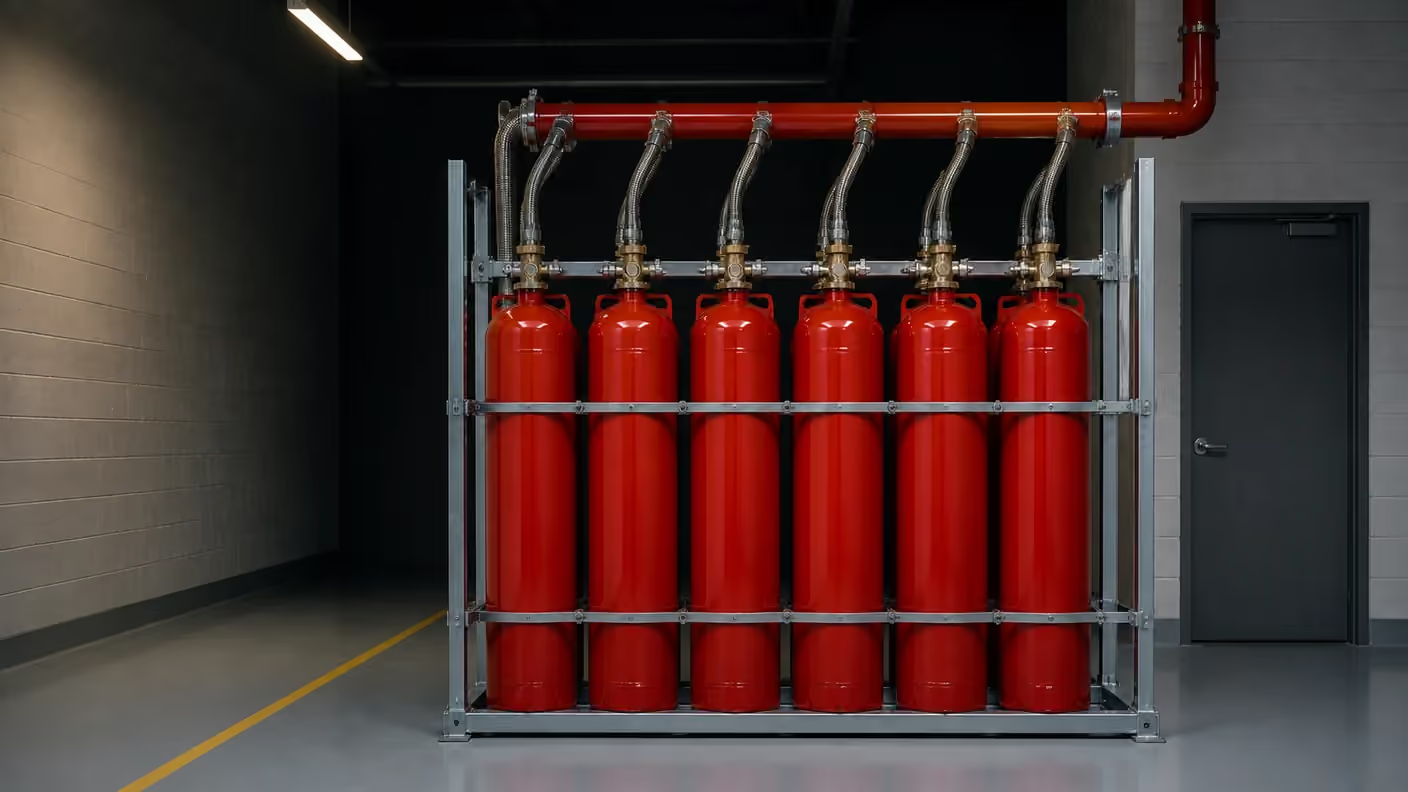
Detection warns of a fire; suppression stops it. We install gas, foam and water systems.
The same system is not the same job in a factory, a hospital and a marina. Pick your facility type and we'll send you the scope of work we do for that type, along with a tailored quote.
 Factory and production facility
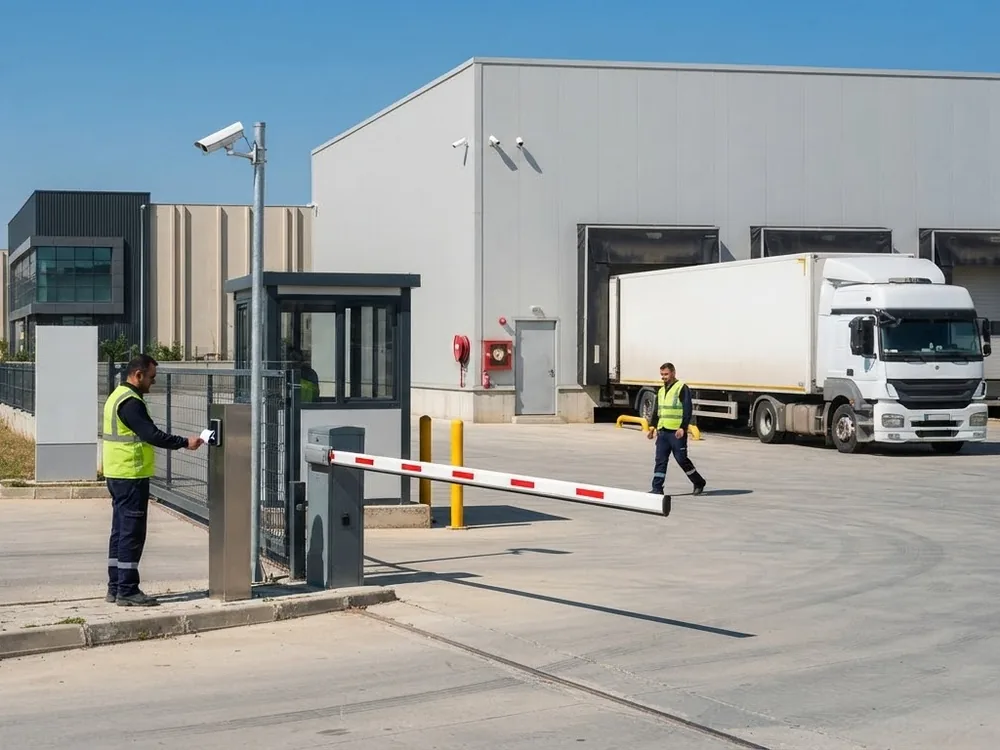 Industrial zone and logistics centre
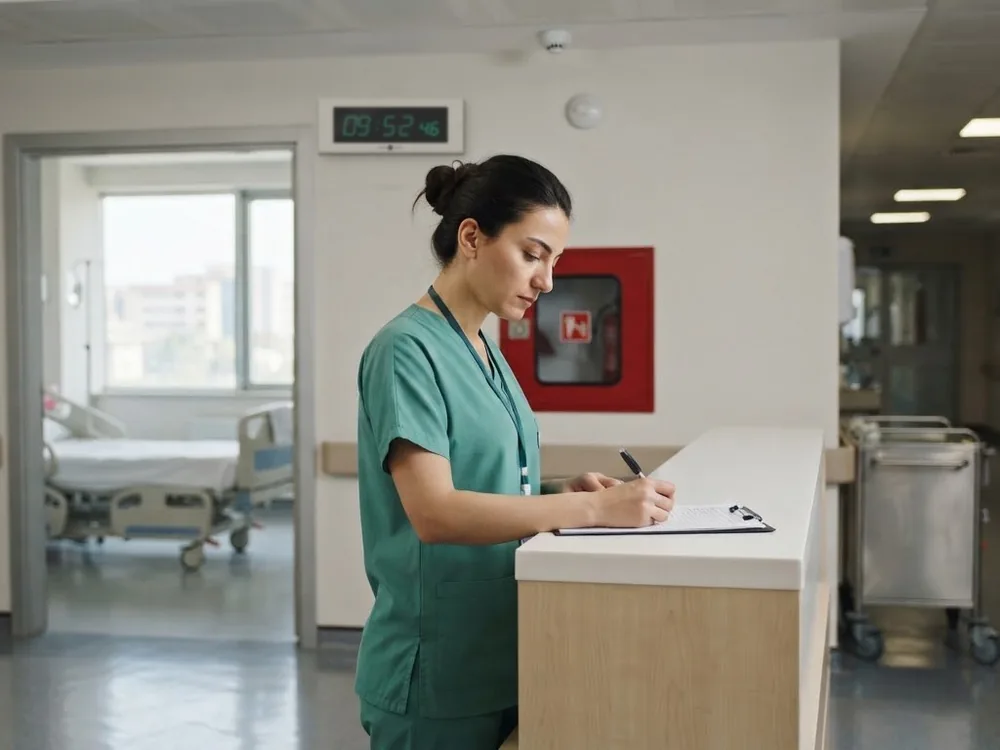 Hospital and university
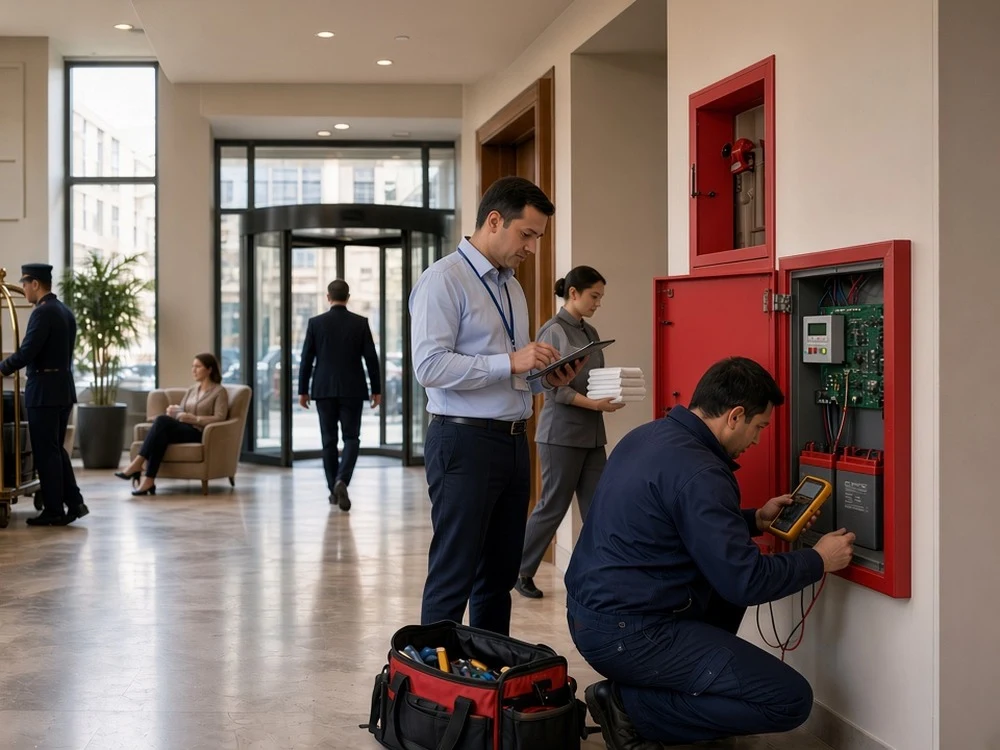 Shopping centre, hotel and retail
 Airport and terminal
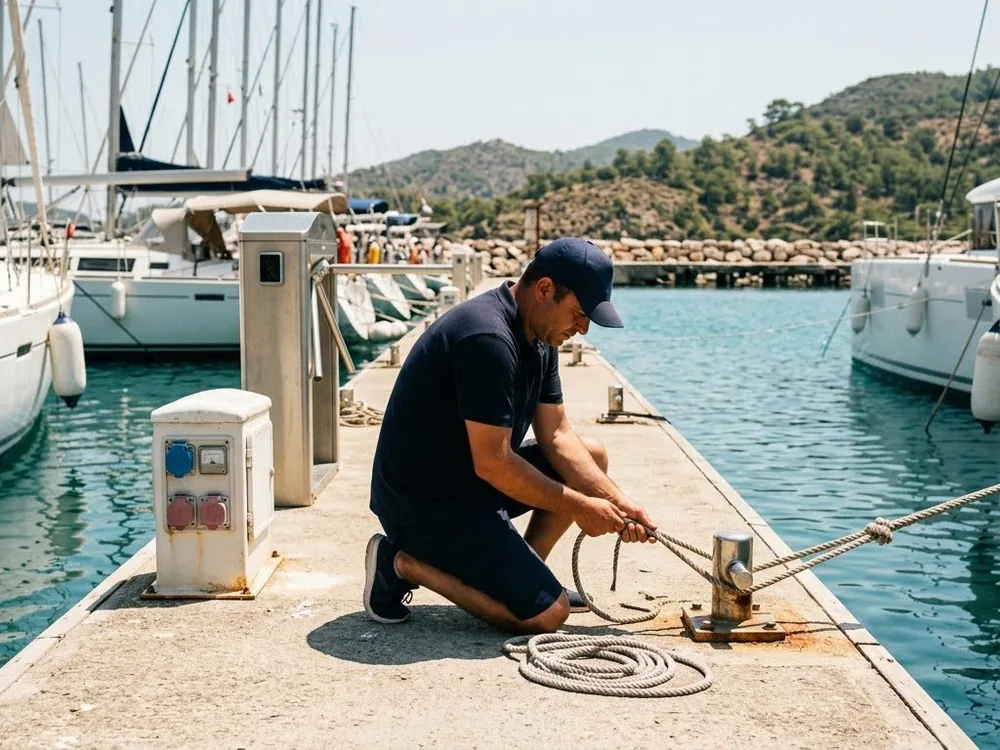 Marina and port
 Residential complex and housing development
The alarm sounds; the response stays at human speed. In a server room, that time is expensive.
The policy or the regulation requires fixed suppression in specific rooms.
Cylinder pressure, nozzle placement and the trigger line have not been verified.
The right system is chosen according to the room's fire class and the equipment inside it. We make that choice during the site survey.
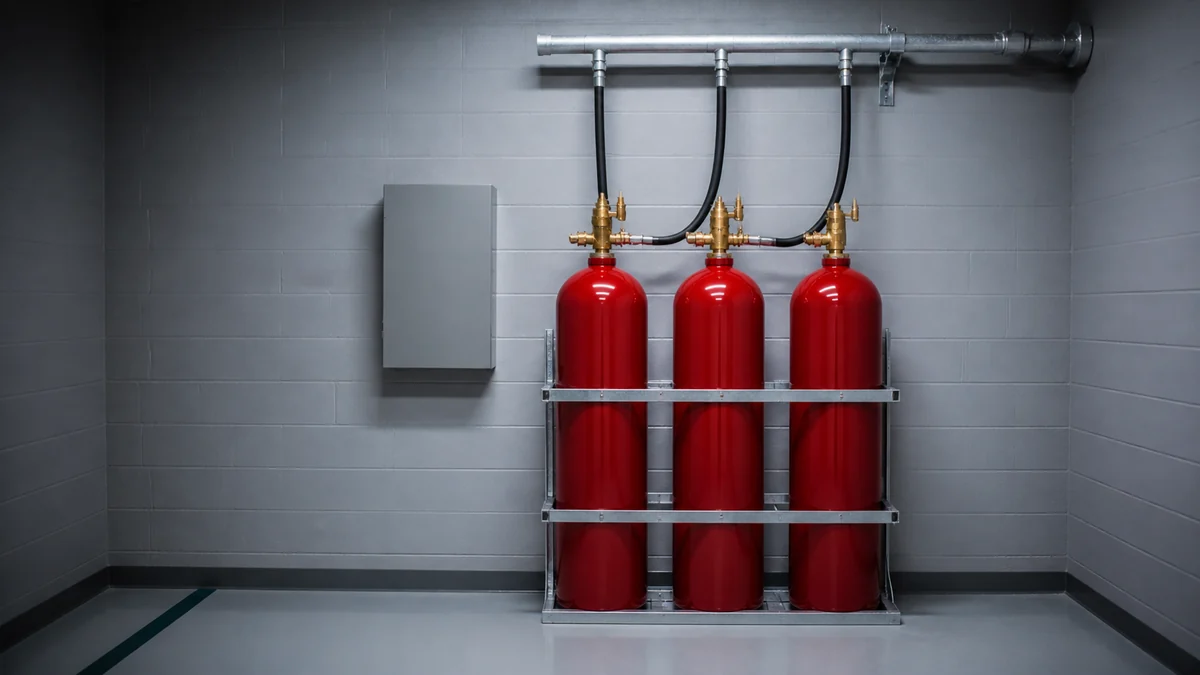
The difference becomes decisive in rooms where response time is expensive: server rooms, UPS/battery rooms, archives, transformers, paint booths and kitchen hoods. In these rooms, the minutes between the alarm sounding and a team being on site directly determine how much damage occurs.
Whether it is mandatory depends on the building type, its height and how the room is used — we work out room by room, during the site survey, where it applies to your building. Which regulation we read it against is set out below, under the documents question.
The room's fire class and the equipment inside it decide:
This is not a catalogue decision: it is normal for the same building to have three different systems in three different rooms. We make the choice room by room, during the site survey.
In order:
In Turkey, the framework for fire safety is the Binaların Yangından Korunması Hakkında Yönetmelik (Council of Ministers Decision 2007/12937, Official Gazette 19.12.2007 / 26735). The regulation has been amended many times; we always assess the project against the text in force on the application date.
In practice, the documents required are: the approved fire project, post-installation acceptance and conformity certificates, the fire brigade conformity report requested by the municipality during licensing, and periodic inspection records after commissioning.
The list your insurer requires for the policy varies by company. At the quote stage we ask you for that list and write the scope against it — so no document turns out to be missing once the work is finished.
If there is a maintenance agreement, it is our job; if not, it belongs to whoever installed the system or the service you authorise. For fixed gas systems the schedule has three layers: visual inspection, cylinder weight/pressure verification, and panel-plus-detection function testing. Intervals are set by system type and manufacturer instructions; we write them date by date into the agreement.
Post-discharge is a separate matter: until cylinder refilling, checking of the trigger line and acceptance testing are complete, the room is considered unprotected. We document the difference between "the system exists" and "the system is in working order" with a written report.
Periodic inspection of portable extinguishers is a separate topic and is carried out per TS ISO 11602-2.
Is your room not on this list? Write to us, we will reply within 24 hours.
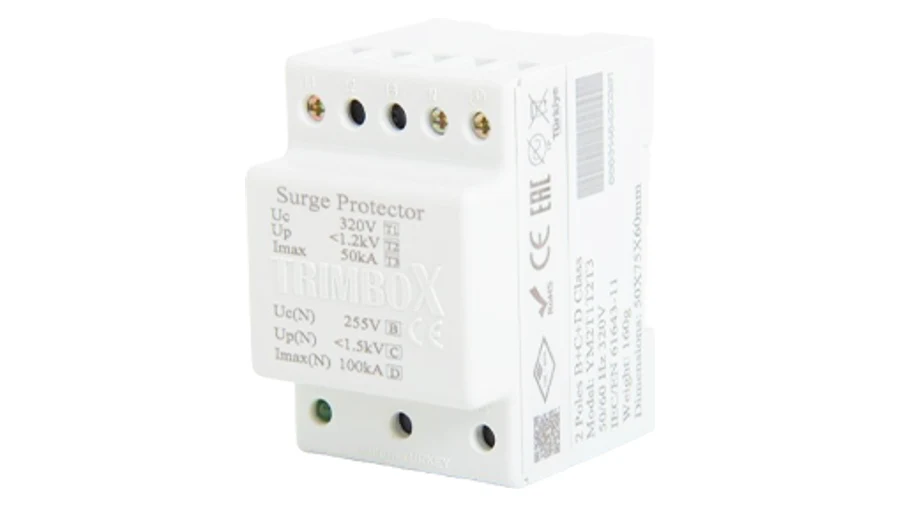
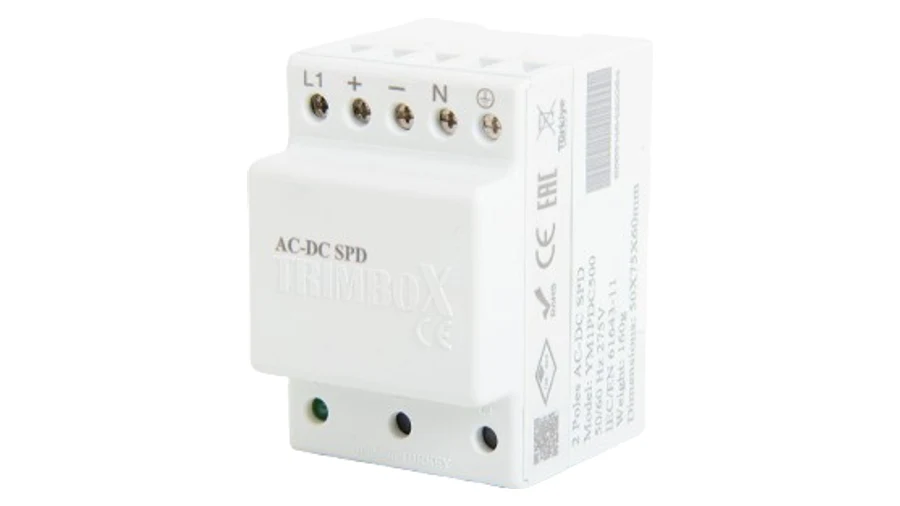
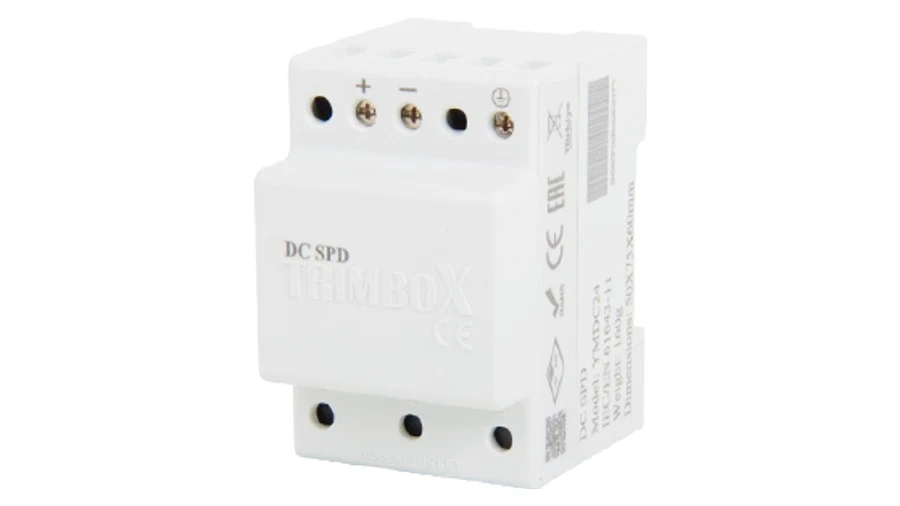
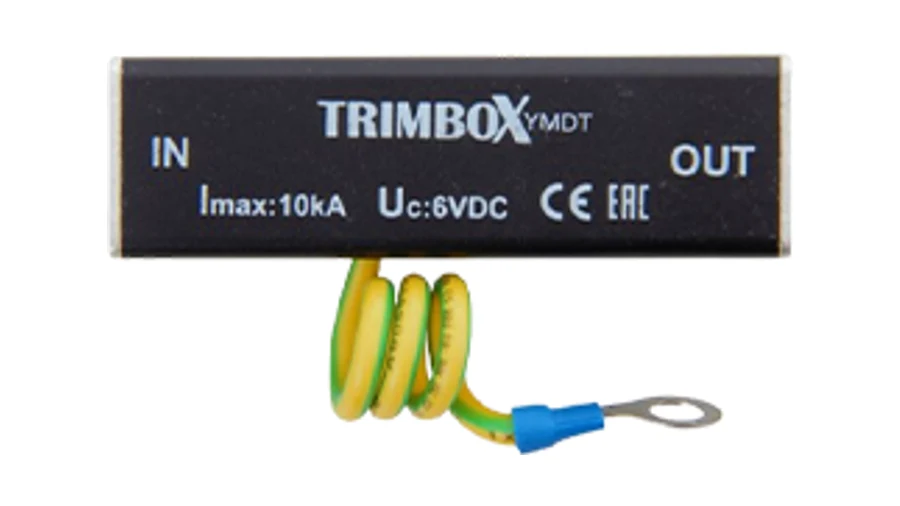
Send us your questionWe reply with a written quote.We are an Official Siemens Dealer, and for Siemens fire detection, gas detection, emergency announcement, gas suppression, access control and security systems we are also an Authorised Maintenance and Service company. We are the Authorised Distributor for Turkey for Trimbox, and an Authorised Dealer for Rotarex, Gorgy Time and Adder.





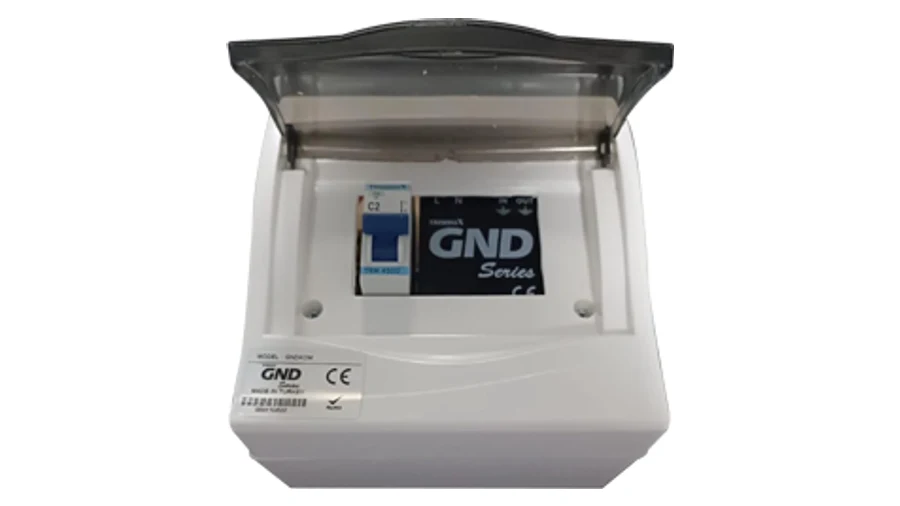
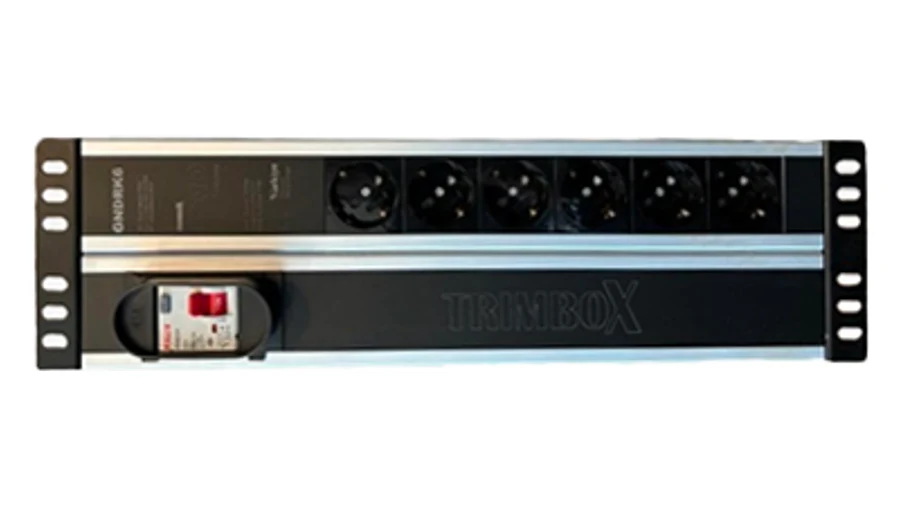
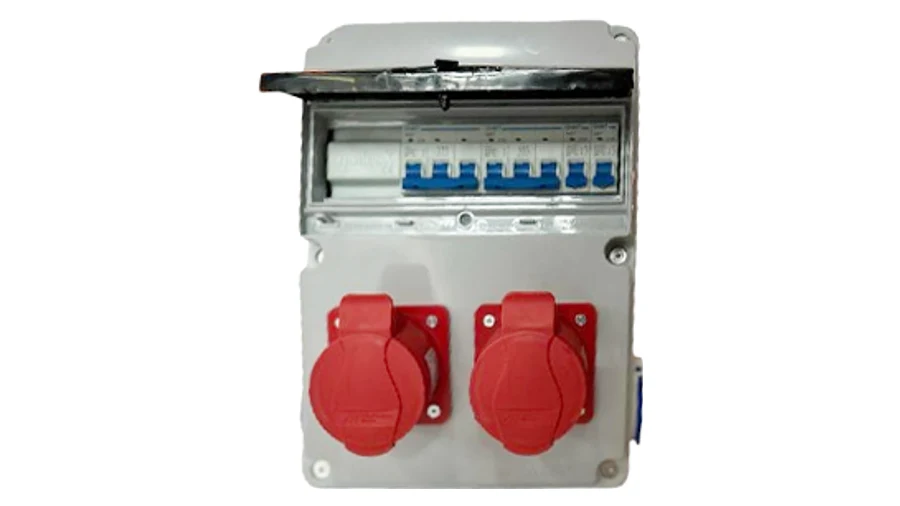
The concrete side of that distributorship: we supply every group below on a project basis.
A list of the rooms to be protected and their approximate volumes is enough. We come back with a written quote covering system type, gas/agent choice and scope per room.